Strange vandalism on 1860-80s 10 & 5 Lepta coins

8 posts • viewed 170 times

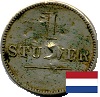
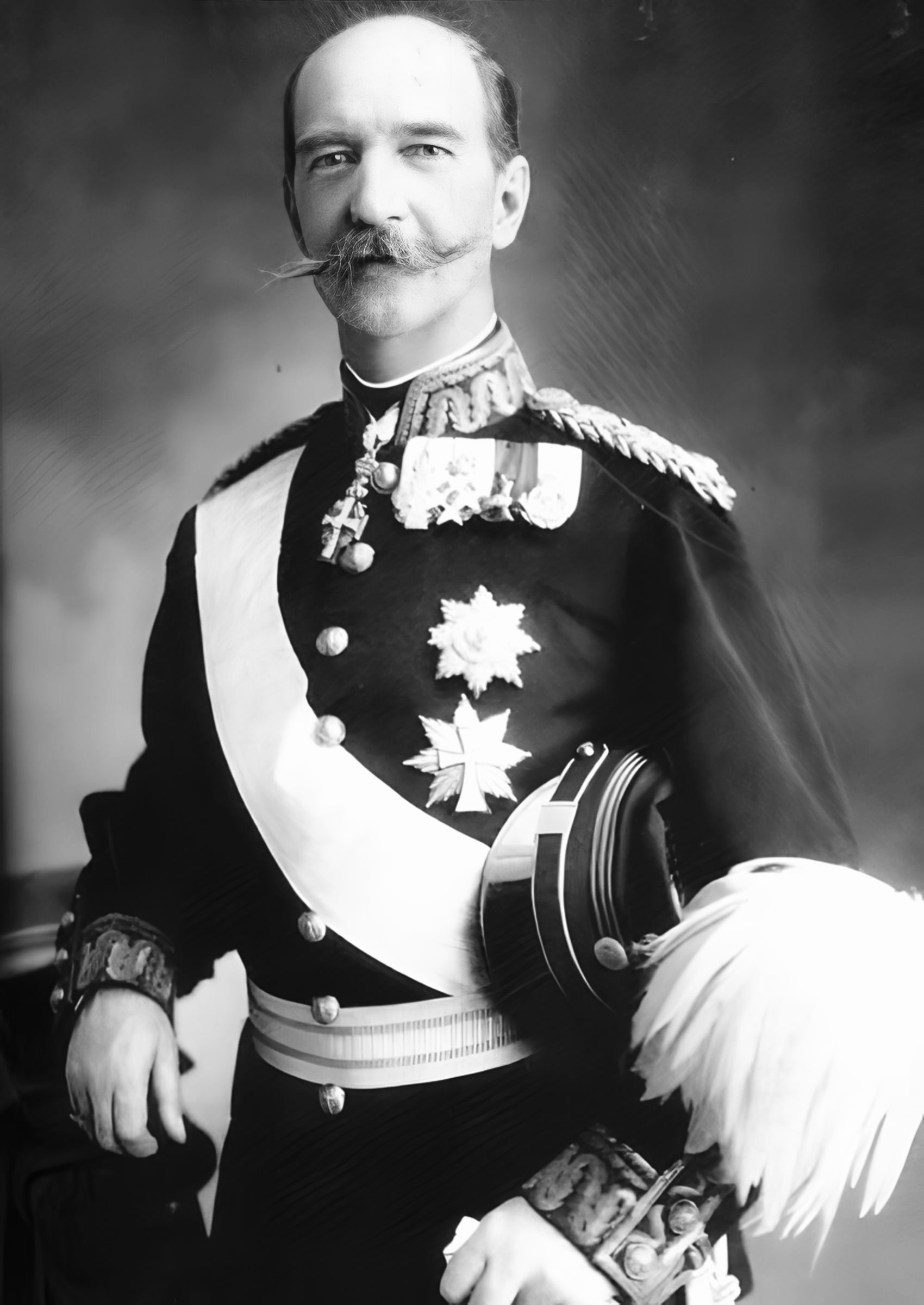
I came across a collection of Greek bronze 5 and 10 Lepta coins from 1969 - 1882. Amongst the coins were several which had been vandalised. A wedge has been cut out of them and four lines are scratched into the neck of King George I.
 

The wedges on the 10 Lepta all point to the neck, all the wedges on the 5 Leptas point to the top of the head. The scratches are crude and would have been easy to make, the wedges would have required some effort.


Any ideas as to why this has been done to the coins?


The notch reminds me of gas meter tokens, like these samples:
N#272905
N#229931
N#44011
N#132271
 

https://nl.m.wikipedia.org/wiki/Gaspenning
 

In the past, circulation coins were sometimes altered into gas meter tokens (the link is dead, but Google still has the image):


http://www.nederlandsemunten.nl/Virtuele_munten_verzameling/Anders/verzameling_zinken_dubbeltje_gebruikt_als_gasmuntje.htm

The Netherlands have had an extensive infrastructure for natural gas, and gas meter tokens are common to find. I don't know much about the Greek situation.


Here's a sample of a British coin with a similar notch:
https://en.numista.com/forum/topic108528.html

Interesting, a new area of numismatics to me.

I will check to see if I can find any official gas meter tokens from Greece to compare them with.


Was there any reason for the Netherlands Gas Meter Tokens to have a notch? Was it so they couldn't get confused with circulating currency or maybe it is part of the mechanism to prevent other coins from being put in the meter.

Very interesting though, I will ask my Greek relatives if this is something they remember.


Thank you

When inserted in the meter, the top of the token remained visible until the proper amount of gas had passed through. Then, it would drop through into a secluded box inside the meter. The notch was there to lock the token tight, so that it couldn't be pulled out once inserted.


Once every month or so, a collector from the gas company would come to empty the meter. I read somewhere that using provisionary tokens was not considered fraud, as the collector could simply count the number of used tokens in the meter and charge accordingly.

I was wondering how they got away with not paying for the tokens. 


No one on the Greek side remembers having a token meter or having a family member who was a landlord who may have collected them from a gas meter but I have contacted the Gas Museum in Athens to see if they recognise the coins.

I wonder why these wedges/notches are all at the same place, and different for the 5 and the 10 lepta coins? That can't be a coincidence.

and what about the M scribed on the neck? the gasometer didnt need that…

Jamais l'or n'a perdu la plus petite occasion de se montrer stupide. -Balzac

Mr. Midnight

and what about the M scribed on the neck? the gasometer didnt need that…


I saw that as maybe a high necked collar of a military uniform, something like that.


» Forum policy

Used time zone is UTC+2:00.
Current time is 22:14.